What to Check Before You Book a Buggy Safari in Dubai
Understanding the Desert Terrain and Your Route
Dubai's desert landscape is more varied than many first-time visitors expect. While the classic image is endless rolling dunes, the reality includes stretches of flat gravel plains, sabkha (salt flats), and areas of harder packed sand. The type of terrain you will cover on a buggy safari directly affects the experience. A route that sticks mainly to gravel tracks is smoother and less challenging, while one that climbs steep, soft dunes demands more from both the vehicle and the driver. Before you book, ask what kind of ground the tour covers. If you want a thrilling ride with sharp climbs and descents, look for a safari that explicitly mentions dune bashing or high-dune routes. If you prefer a scenic drive with opportunities to stop and take in the landscape, a route that mixes flat stretches with moderate dunes may suit you better. Knowing the terrain also helps you prepare mentally and physically; a high-dune route can be intense for passengers who are not used to the motion.
Another factor tied to the route is the length of the safari. Tours vary from short one-hour loops to half-day or full-day expeditions. A shorter ride may feel rushed, especially if you factor in briefing time and waiting for other participants. A longer safari allows you to settle into the driving experience and take breaks at points of interest such as a conservation area or a spot known for desert flora. Check the advertised duration and ask whether that includes briefing and breaks or is pure driving time. This distinction matters more than you might think; a three-hour "safari" that includes a half-hour stop for refreshments and a falconry display leaves you with less actual driving than you expect.
Vehicle Condition and Safety Features
The buggy itself is the most important piece of equipment on the trip. You do not need to be a mechanic to spot potential problems. When you arrive at the starting point, take a moment to look at the buggies lined up. Check the tyres for visible wear; deep treads are essential on loose sand. Look at the tyres' sidewalls for cracks or bulges. A quick glance at the roll cage and seat belts tells you a lot about how well the operator maintains their fleet. Seat belts should be fully functional and easy to fasten. The roll cage should be free of rust or bent sections. Ask about the age of the buggies and how often they are serviced. A reputable operator will not hesitate to answer. Also confirm that the buggy has a kill switch or emergency stop that is easily reachable from the driver's seat. Many newer models have a tether cord that attaches to the driver; if the driver is thrown from the seat, the engine cuts off. This is a good safety feature to look for.
One local option is Quad Biking Dubai | Dune Buggy Dubai | Morning and Evening Desert Safari Tours. Before booking, it is worth confirming with whichever operator you choose the condition of their vehicles and whether they provide helmets and goggles as part of the package. A well-maintained buggy makes the difference between an enjoyable ride and a miserable, dusty one.
What Is Included in the Price
Pricing for buggy safaris in Dubai is not always transparent. The headline price often excludes extras that can add up. Common exclusions include hotel pickup and drop-off, refreshments, photography or video packages, and insurance. Some operators charge extra for a second passenger, even though the buggy seats two. Others include a passenger free of charge but charge for a guide on a separate quad bike. Before you pay, get a clear written breakdown of what the price covers. Ask whether fuel is included; most tours include it, but not all. If you need to refuel during a long safari, that may be an extra cost. Also ask about the deposit and cancellation policy. Some operators take a refundable deposit against damage to the buggy. Understand what constitutes "damage" in their terms; normal wear from dunes is not the same as a crash caused by reckless driving.
Insurance is another grey area. Some operators include basic insurance in the price, while others offer it as an optional add-on. Basic insurance may cover only damage to the buggy you are driving, not to other vehicles or property. If you are a nervous driver, paying for the extra coverage can give peace of mind. Read the terms carefully; a few operators require you to sign a waiver that waives your right to claim for any injury. That is a red flag. A responsible operator will have proper liability insurance and will explain it to you.
Time of Day and Weather Conditions
Dubai's desert is at its most beautiful around sunrise and sunset, but those times also come with practical considerations. A sunrise tour means an early start, often with pickup before dawn. You get cooler temperatures and softer light for photography, but you also have to contend with lower visibility until the sun is fully up. A sunset tour is popular for the dramatic colours, but it means driving back in the dark. Check whether the tour route is lit or if the guide uses vehicle lights. Night safari options are also available and offer a completely different atmosphere, with cooler air and the chance to see wildlife such as desert foxes and hares that emerge after dusk. Some night safaris include a campfire stop with traditional music, which can round out the evening nicely.
Weather also plays a role. Summer months (June to September) are extremely hot, with daytime temperatures easily exceeding 45°C. Even with the buggy's wind, the heat can be exhausting and dangerous. If you book during summer, choose an early morning or evening slot. Winter months (November to February) are pleasant but can be chilly in the early morning and after sunset. Bring a light jacket. Sandstorms can occur suddenly, reducing visibility to near zero. A good operator will monitor weather forecasts and cancel or reschedule if conditions are unsafe. Ask about their weather policy before you book.
Guide Experience and Group Size
The quality of the guide can make or break a buggy safari. An experienced guide knows the dunes, reads the sand conditions, and can adjust the pace to match the group's skill level. They should give a thorough safety briefing before the ride and demonstrate the correct way to handle the buggy on steep slopes and soft sand. Ask how many buggies are in a typical group. Small groups of five to ten buggies allow the guide to keep an eye on everyone and respond quickly if someone gets stuck or has a problem. Large groups of twenty or more buggies can feel impersonal and chaotic, with long waits while the guide retrieves stragglers. Also ask about the guide-to-buggy ratio. Ideally, there should be at least one guide for every ten buggies, with a support vehicle for breakdowns.
Some operators offer a lead-and-tail system where one guide leads and another follows at the rear. This is a good sign, as it means nobody gets left behind. If you are a beginner, let the operator know when you book. Many will pair you with a guide who is patient and willing to give extra instruction. If you are an experienced off-road driver, ask whether the guide can take you on a more challenging route.
Environmental Responsibility and Permits
Dubai's desert is a fragile ecosystem. Irresponsible driving damages the desert flora and disturbs wildlife. Reputable tour operators operate within designated areas and have permits from the relevant authorities. They follow marked trails and avoid driving over vegetation. Ask the operator whether they use GPS-guided routes that avoid sensitive areas. Some operators also contribute to local conservation efforts or participate in clean-up drives. Choosing such an operator helps preserve the desert for future visitors.

You can also check whether the operator is a member of any local tourism associations. Membership often means they adhere to a code of conduct that includes environmental standards. While you do not need to become an expert on Dubai's desert conservation regulations, asking a simple question like "Do you follow any environmental guidelines on your routes?" tells you a lot about the operator's attitude.
What to Wear and Bring
Dressing correctly for a buggy safari is about comfort and safety. Closed-toe shoes are essential; sandals or flip-flops offer no protection if you need to use the pedals quickly or if you step out onto hot sand. Long trousers and a long-sleeved shirt protect your skin from the sun and from the dust that gets kicked up. A scarf or a buff to cover your mouth and nose is useful, especially if you are following another buggy. Sunglasses are a must, but they should be secure enough not to fly off at high speed. If the operator provides a helmet, wear it even if it is not mandatory. A helmet protects not only your head but also your face from flying sand and insects.
Bring a small backpack with water, sunscreen, and a basic first-aid kit. Most tours provide water, but having your own ensures you stay hydrated. A phone with a fully charged battery is useful for emergencies, but keep it in a sealed plastic bag to protect it from sand. Some operators allow you to bring a camera or a GoPro mounted on the buggy. Check their policy before you assume it is allowed. If you plan to take photos, a strap or a clamp mount is better than holding the camera in your hand while driving.
Reading Reviews and Checking Credentials
Online reviews are a useful tool, but they need to be read critically. Look for recent reviews on multiple platforms, not just the operator's own website. Pay attention to comments about vehicle maintenance, guide professionalism, and the accuracy of the advertised experience. A pattern of complaints about broken-down buggies or rude guides is a clear warning. Also check how the operator responds to negative reviews. A defensive or dismissive response suggests they are not interested in improving. A polite, constructive reply that addresses the issue is a good sign.
You can also verify the operator's credentials through official channels. In Dubai, tour operators that run desert safaris are typically licensed by the Dubai Tourism and Commerce Marketing (DTCM). You can ask for their license number and verify it online. This step takes five minutes and can save you from booking with an unlicensed operator that may cut corners on safety.
For practical information on comparing operators and reading up on what to expect, many visitors find the site dunebuggyrentalsdubai.com a useful starting point. It compiles details about different tour options and can help you narrow down your choices before you contact an operator directly.
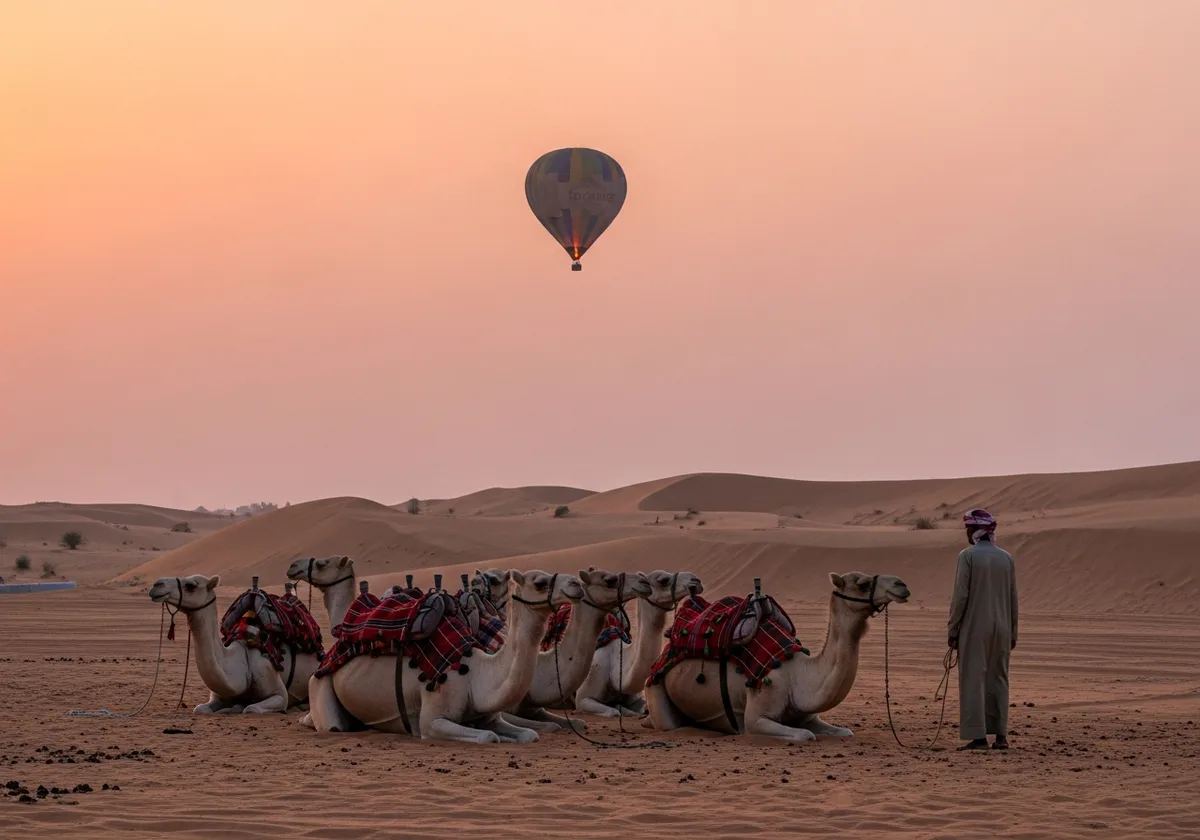
Quad Biking Dubai | Dune Buggy Dubai | Morning and Evening Desert Safari Tours is also on Instagram.
Wrapping Up Your Plans
Booking a buggy safari in Dubai is straightforward if you know what to look for. Focus on the vehicle's condition, the route's terrain, what is included in the price, and the guide's experience. Take weather and time of day into account, and choose an operator that respects the desert environment. A little preparation goes a long way toward ensuring you have a safe and memorable ride. Once you are happy with the answers, you can book with confidence.
If you are still researching, the site dunebuggyrentalsdubai.com can help you compare options. For those ready to book, one local operator is Quad Biking Dubai | Dune Buggy Dubai | Morning and Evening Desert Safari Tours, located at 68FH+MF9 Noor Al Safa Building - Al Jadaf - Dubai - United Arab Emirates, and reachable at +971 52 440 9525.